





































Aurora Observatory
This page provides a real-time view of space weather conditions and how they influence aurora visibility. By combining solar wind data, magnetic field behaviour, and geomagnetic activity, you can quickly assess whether aurora may be visible from your location.
A stream of charged particles from the Sun. Faster wind and shock arrivals can trigger geomagnetic disturbances.
A southward Bz allows energy into Earth's magnetosphere — the primary trigger for aurora activity.
Higher pressure compresses Earth's magnetic field and enhances aurora intensity.
A global geomagnetic index (0–9) derived from a worldwide network of magnetometer stations measuring disturbances in Earth's magnetic field.
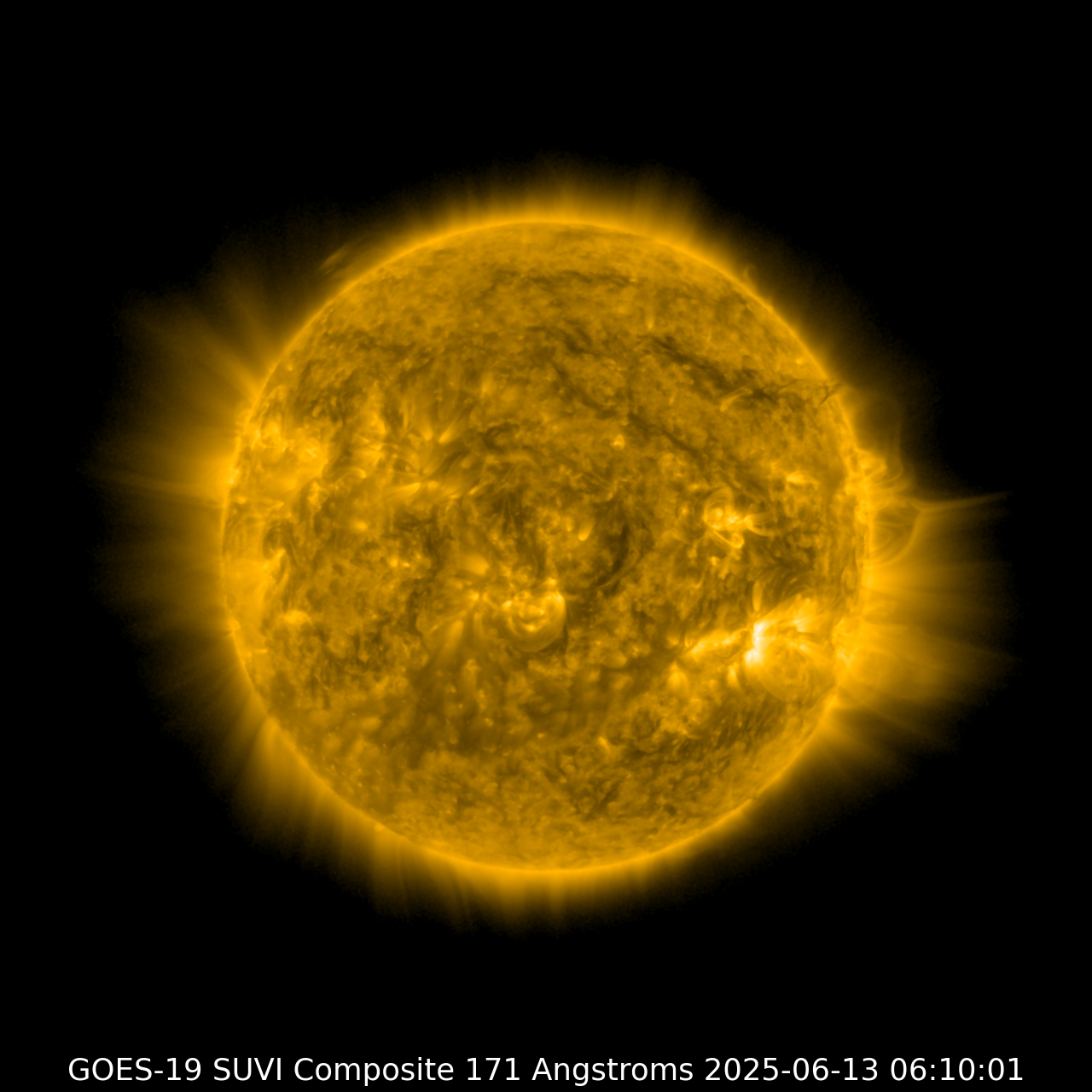
Large eruptions from the Sun that drive major geomagnetic storms and strong aurora displays.
Regions emitting high-speed solar wind streams, often causing recurring aurora activity.
A ring around Earth's poles where aurora forms — expanding toward lower latitudes during strong activity.
Your location matters — stronger activity pushes aurora further south.
Tracks solar flares and helps indicate active solar regions.
A simplified 0–100 indicator combining real-time conditions into an easy visibility estimate.
Data & Viewing Guidance
All data presented on this page is based on real-time solar wind and geomagnetic measurements, combined into predictive indicators of aurora activity. While these values provide a strong indication of potential visibility, aurora forecasting is not exact — conditions can change rapidly and local visibility may vary.
The data is refreshed approximately every 2 minutes, depending on upstream data availability from space weather monitoring systems.
Last updated: Loading...
Even when conditions appear weak, aurora can still occur. Likewise, strong indicators do not guarantee visibility. The most reliable way to experience aurora is to observe the night sky directly.
Key factors for successful viewing:
- Dark skies (minimal light pollution)
- Clear weather (low cloud cover is essential)
- Open northern horizon
- Willingness to travel to clearer skies if needed
- Patience — conditions can change quickly
Do not be discouraged by low readings — there are many instances where aurora has been observed even during quiet geomagnetic conditions.
Aurora Mission Control
Live Solar Activity